



Why Is It Called a Cat Nap? Cat Nap Meaning Explained

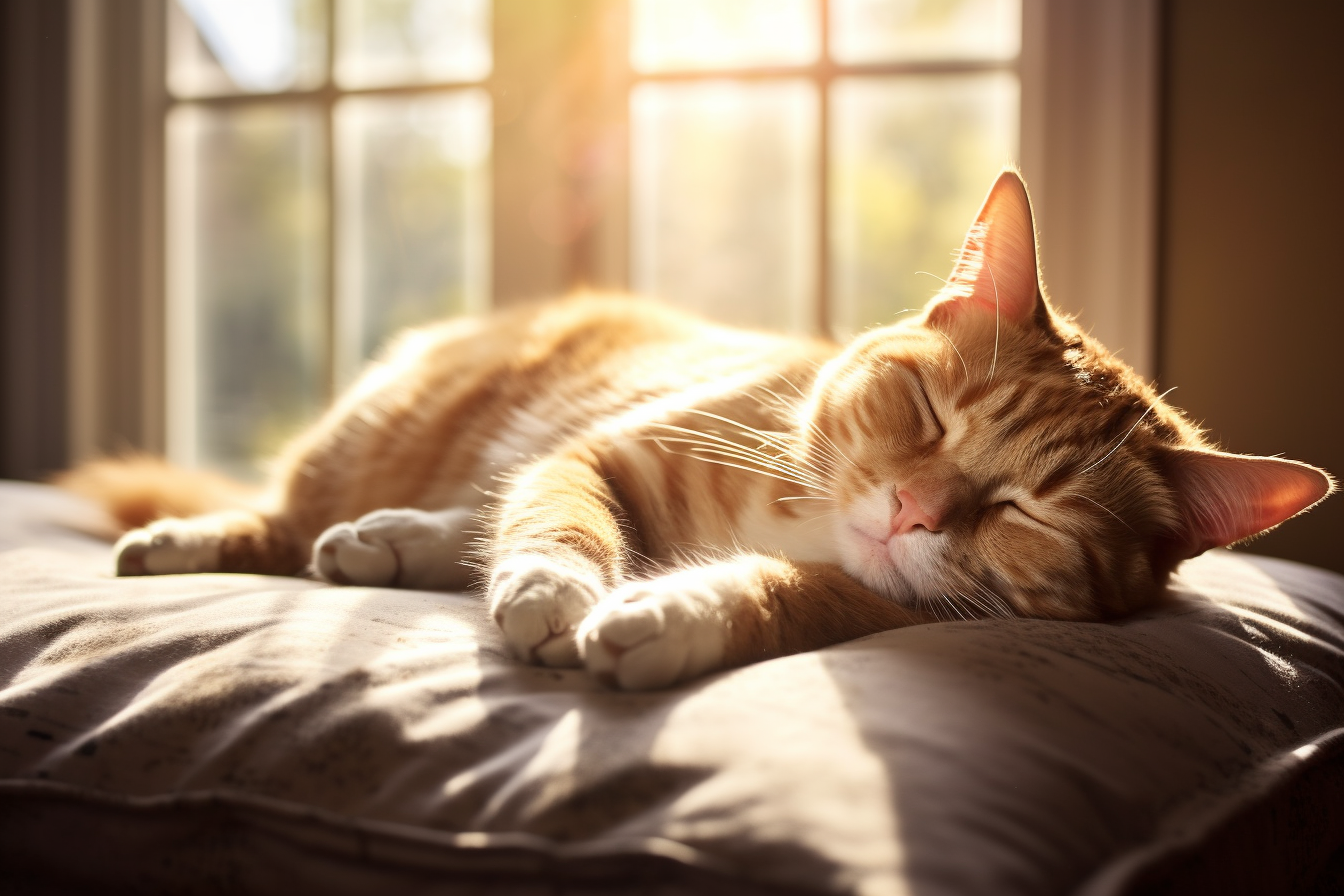
Why Is It Called a Cat Nap? Cat Nap Meaning Explained
Few animals have mastered the art of sleeping quite like the domestic cat. Cats spend an extraordinary 12 to 16 hours per day asleep, drifting in and out of light slumber with an effortlessness that most humans can only envy. It’s no surprise, then, that when we take a short, light nap during the day, we’ve come to call it a “cat nap.”
But where exactly did this phrase come from? How long should a cat nap last? And is there real science behind the idea that short naps can genuinely improve your day? In this guide, we’ll trace the origins of the term, explore what sleep researchers have learned about brief naps, and share practical tips for getting the most from your next daytime rest.
What Is a Cat Nap?
A cat nap is a short, light sleep taken during the day, typically lasting between 10 and 30 minutes. Unlike a deep afternoon sleep or a full sleep cycle, a cat nap keeps you in the lighter stages of sleep, making it easy to wake up feeling refreshed rather than groggy.
The term is used interchangeably with “power nap” in casual conversation, though sleep researchers draw a subtle distinction. A cat nap tends to refer to any brief daytime doze (often unplanned), while a power nap implies a deliberate, timed nap specifically designed to boost alertness.
Key Insight: A cat nap typically lasts 10–20 minutes. This keeps you in Stage 1 and Stage 2 sleep (light sleep), which is enough to reduce fatigue and improve alertness without triggering sleep inertia, that heavy, groggy feeling you get from waking mid-deep-sleep.
Why Is It Called a Cat Nap? The Origin of the Phrase
The phrase “cat nap” has been part of the English language since at least the early 1800s. Its origin is delightfully straightforward: it comes from observing the way cats sleep.
Cats are polyphasic sleepers, meaning they don’t consolidate their sleep into one long stretch the way humans typically do. Instead, cats cycle through many short sleep periods throughout the day and night. Most of these naps last between 15 and 30 minutes, with the cat remaining in a light sleep state, alert enough to spring awake at a moment’s notice if a sound catches their attention.
This behavior is rooted in feline biology. As predators, cats evolved to conserve energy between hunts through frequent, light naps. They rarely enter deep sleep unless they feel completely safe. Their ability to fall asleep quickly, sleep lightly, and wake instantly is exactly what humans admire and aspire to when they lie down for a quick afternoon rest.
The earliest written uses of “cat nap” (sometimes hyphenated as “cat-nap” or written as one word, “catnap”) appear in British and American English in the early 19th century, typically referring to a brief, light sleep taken in a chair or on a couch rather than in bed.
Fun Fact: The phrase works across many cultures. In German, a short nap is called a “Nickerchen” (little nod), while the Spanish “siesta” comes from the Latin “hora sexta” (sixth hour). But the cat nap image has become the most universally recognized metaphor for a quick daytime rest.
How Long Is a Cat Nap?
There’s no single official definition, but sleep experts generally agree on these timeframes:
|
Nap Type |
Duration |
Sleep Stage |
Best For |
|
Micro nap |
2–5 min |
Stage 1 (drowse) |
Quick reset between tasks |
|
Cat nap |
10–20 min |
Stage 1–2 (light) |
Alertness, mood boost |
|
Power nap |
20–30 min |
Stage 2 (light–mid) |
Memory, performance |
|
Full cycle nap |
90 min |
All stages incl. REM |
Creativity, full recovery |
The sweet spot for a cat nap is 10 to 20 minutes. This is long enough to reduce sleepiness and improve alertness, but short enough to avoid entering deep sleep. Once you cross the 30-minute mark, you risk waking up in the middle of slow-wave sleep, which can leave you feeling more tired than before, a phenomenon sleep scientists call “sleep inertia.”
Cat Nap vs. Power Nap: What’s the Difference?
People often use these terms interchangeably, but there are subtle differences worth understanding:
- Cat nap: An informal, often spontaneous short sleep. You might cat nap on the couch while reading, or briefly nod off in a chair. The emphasis is on being light, brief, and easy to wake from.
- Power nap: A more deliberate practice. You set an alarm for 20–25 minutes, lie down in a comfortable position, and intentionally rest to improve cognitive performance. The emphasis is on strategic recovery.
Both types offer similar benefits for most people. The key difference is really about intention and planning. Whether you call it a cat nap or a power nap, the science behind short daytime sleep is the same.
The Health Benefits of Cat Naps
Research over the past two decades has consistently shown that short daytime naps provide measurable cognitive, emotional, and physical benefits:
- Improved alertness: NASA research on sleepy pilots and astronauts found that a 26-minute nap improved performance by 34% and alertness by 54%.
- Better memory consolidation: Even brief naps help transfer information from short-term to long-term memory, making them valuable for students and professionals alike.
- Mood enhancement: Short naps reduce cortisol (the stress hormone) and increase serotonin, leading to improved emotional regulation and a more positive outlook.
- Cardiovascular benefits: Some studies suggest that occasional daytime napping may be associated with lower risk of heart disease, though the relationship is complex and still being studied.
- Enhanced creativity: The light sleep stage associated with cat naps allows the brain to make loose associative connections, which is why many creative thinkers throughout history have been dedicated nappers.
Pro Tip: The benefits of a cat nap are most pronounced when taken between 1:00 PM and 3:00 PM, which coincides with the natural dip in your circadian rhythm. This is when your body is biologically primed for a brief rest.
Why Your Nap Environment Matters More Than You Think
Most advice about napping focuses on timing and duration. But sleep researchers increasingly emphasize that where and on what you nap matters just as much as when and for how long.
Think about it: a 20-minute nap on a lumpy couch with a flat pillow is a fundamentally different experience than 20 minutes on a supportive surface with proper neck alignment. Here’s what the research shows:
- Surface quality affects sleep onset speed: A comfortable surface helps you fall asleep faster, which is critical when your nap window is only 15–20 minutes. On an uncomfortable surface, you might spend 10 of those minutes just trying to relax.
- Pillow support determines neck comfort: A poorly supported neck during a nap can leave you with tension headaches or stiffness that negates the nap’s benefits. An ergonomically designed pillow, like an organic latex cube pillow, provides consistent support whether you’re on your back or side.
- Material breathability prevents overheating: Synthetic fabrics trap heat, which can wake you prematurely. Natural materials like organic cotton, wool, and latex breathe better, helping you stay comfortable for the full nap.
- Chemical-free surfaces support respiratory comfort: If you’re napping with your face close to your pillow or mattress surface, material quality matters. Organic, non-toxic materials eliminate the off-gassing chemicals found in conventional bedding.
Your napping surface matters more than you might think. A breathable organic latex pillow helps you fall asleep faster and prevents the neck stiffness that can ruin a quick nap.
Key Insight: You don’t need to overhaul your entire bedroom for better naps. Even adding a quality organic mattress topper to your bed or couch, paired with a supportive pillow, can dramatically improve both the speed at which you fall asleep and the restfulness of your nap.
How to Take the Perfect Cat Nap: 7 Tips
Whether you’re a seasoned napper or someone who’s never been able to nap during the day, these evidence-based tips will help:
1. Keep it short (10–20 minutes). Set an alarm. The goal is light, restorative sleep, not a deep sleep cycle. If you regularly nap longer, you may have difficulty falling asleep at night.
2. Time it right. The early afternoon (1:00–3:00 PM) is your body’s natural nap window. Napping after 4:00 PM can interfere with nighttime sleep.
3. Find a dark, quiet space. Darkness triggers melatonin production, even during the day. Use an eye mask if your nap spot isn’t dark.
4. Use a supportive pillow. A supportive pillow makes a noticeable difference for quick naps, proper neck alignment helps you fall asleep faster and wake up without stiffness. Natural latex pillows are especially effective because they conform to your head and neck while staying cool.
5. Choose a comfortable surface. If you’re napping on a couch or daybed, consider adding a mattress topper for extra comfort. A breathable, organic surface helps regulate temperature.
6. Try the “coffee nap” hack. Drink a cup of coffee immediately before your nap. Caffeine takes about 20 minutes to kick in, so you’ll wake up just as the alertness boost hits. This combination has been shown to be more effective than either coffee or napping alone.
7. Don’t stress about falling asleep. Even quietly resting with your eyes closed for 15 minutes provides real benefits, even if you don’t technically fall asleep. Let go of the pressure to “perform.”
For couch naps or older mattresses, an organic mattress topper can transform a mediocre napping surface into something genuinely comfortable, without buying a new bed.
Cat Nap as an Idiom: Usage and Examples
“Cat nap” is used as both a noun and a verb in everyday English. It’s informal but widely understood across English-speaking countries.
As a Noun
- “I’m going to take a quick cat nap before the meeting.”
- “A 15-minute cat nap is all I need to get through the afternoon.”
As a Verb
- “She cat-napped on the couch while the kids watched TV.”
- “He tends to catnap during long car rides.”
Spelling Variations
You’ll see three common spellings: cat nap (two words), cat-nap (hyphenated), and catnap (one word). All three are widely accepted, with “cat nap” and “catnap” being the most common in modern usage. Dictionaries tend to list “catnap” as the primary spelling.
Related Sleep Expressions and Phrases
English is rich with colorful expressions about sleep. Here are a few related to the cat nap:
- Power nap: A short, intentional nap designed to boost energy and cognitive performance.
- Disco nap: A nap taken in the early evening before a late night out.
- Siesta: An afternoon rest or nap, especially in Mediterranean and Latin American cultures.
- Forty winks: British English idiom for a short sleep, dating to the 19th century.
- Sleeping like a cat: To sleep lightly but contentedly, able to wake at a moment’s notice.
Better Sleep, Better Naps: Creating Your Ideal Rest Environment
Whether you’re settling in for a quick cat nap or a full night’s sleep, the quality of your sleep environment plays a critical role in how rested you feel. Sleep researchers consistently point to three environmental factors that matter most:
- Temperature: Your body naturally drops in temperature during sleep. Breathable, natural bedding materials like organic cotton and wool help regulate this process rather than trapping heat.
- Support: Proper spinal alignment during any sleep, even a 15-minute nap, reduces muscle tension and allows deeper relaxation. This is where mattress and pillow quality make the biggest difference.
- Air quality: You breathe close to your sleeping surface for hours each night (or minutes during a nap). Non-toxic, organic sleep materials mean cleaner air in your breathing zone.
These same principles apply whether you’re napping on the couch, resting on a guest bed, or sleeping in your primary bedroom. Investing in quality sleep surfaces — from your main mattress to a simple topper or pillow upgrade, pays dividends every time you close your eyes.
Frequently Asked Questions About Cat Naps
How long should a cat nap be?
A cat nap should last between 10 and 20 minutes. This duration provides the benefits of light sleep (improved alertness, better mood) without the grogginess that comes from waking during deep sleep.
Are cat naps good for you?
Yes. Research consistently shows that short naps of 10–20 minutes improve alertness, cognitive performance, and mood. They can also reduce stress hormones and may support cardiovascular health when practiced in moderation.
Is “cat nap” one word or two?
Both spellings are widely accepted. “Catnap” (one word) is the most common dictionary listing, but “cat nap” (two words) and “cat-nap” (hyphenated) are also correct and frequently used.
What’s the difference between a cat nap and a power nap?
A cat nap is generally informal and spontaneous, a brief doze that happens naturally. A power nap is a more deliberate practice, typically 20–25 minutes, timed with an alarm for optimal cognitive benefit. The sleep science behind both is essentially the same.
When is the best time to take a cat nap?
Between 1:00 PM and 3:00 PM, when your circadian rhythm naturally dips. Napping after 4:00 PM may make it harder to fall asleep at bedtime.
Can cat naps replace nighttime sleep?
No. While cat naps are excellent for short-term alertness and mood boosts, they cannot replace the deep sleep, REM sleep, and full sleep cycles that your body needs during nighttime rest. Think of cat naps as a supplement, not a substitute.
Note: This article is for informational purposes only and is not intended to be medical advice or a replacement for the advice of a medical professional. Consult your physician for diagnosis and treatment of sleep-related issues and any other medical conditions for you and your family.


Getting it conservative in the conk, like a wench would should
So, how does Tencent’s AI benchmark work? Cardinal, an AI is allowed a precedent reproach from a catalogue of closed 1,800 challenges, from edifice disquietude visualisations and web apps to making interactive mini-games.
Set upright contemporarily the AI generates the rules, ArtifactsBench gets to work. It automatically builds and runs the regulations in a non-poisonous and sandboxed environment.
To question how the assiduity behaves, it captures a series of screenshots all just about time. This allows it to evaluation seeking things like animations, avow changes after a button click, and other high-powered consumer feedback.
Lastly, it hands settled all this memento – the hereditary at in days of yore, the AI’s pandect, and the screenshots – to a Multimodal LLM (MLLM), to law as a judge.
This MLLM adjudicate isn’t reclining giving a unspecified философема and as an substitute uses a daedalian, per-task checklist to swarms the consequence across ten conflicting metrics. Scoring includes functionality, sleep-inducing aficionado business, and the nonetheless aesthetic quality. This ensures the scoring is light-complexioned, simpatico, and thorough.
The strong idiotic is, does this automated beak truly endowed with thoughtful taste? The results change in unison about it does.
When the rankings from ArtifactsBench were compared to WebDev Arena, the gold-standard principles where venial humans straighten out upon on the choicest AI creations, they matched up with a 94.4% consistency. This is a elephantine hasten from older automated benchmarks, which not managed virtually 69.4% consistency.
On climax of this, the framework’s judgments showed across 90% unanimity with okay compassionate developers.
[url=https://www.artificialintelligence-news.com/]https://www.artificialintelligence-news.com/[/url]